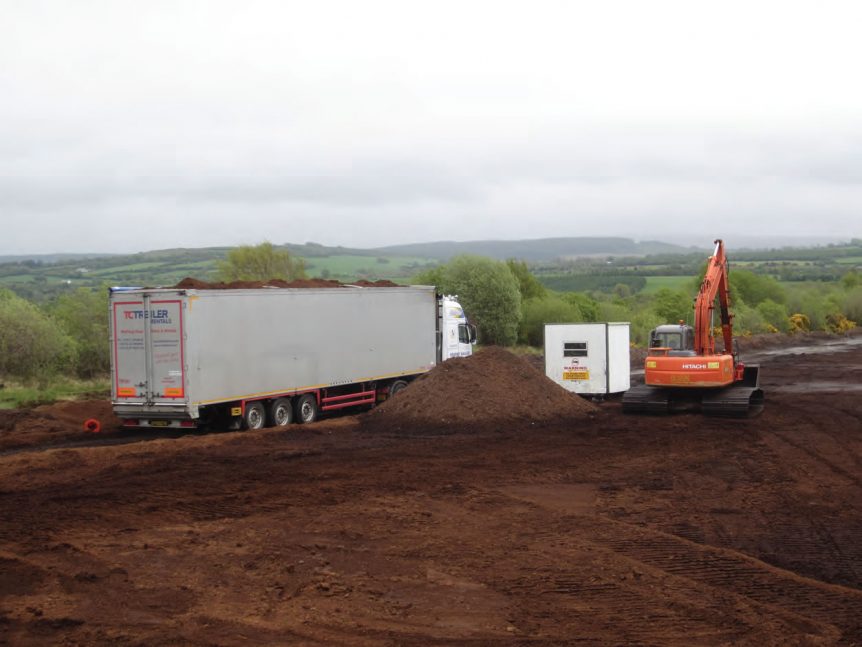
Composting Biochar Before Soil Application Shows Stronger Benefits for Crop Growth

New research suggests that composting biochar before applying it to soil may significantly improve its effectiveness as a soil amendment, offering stronger gains in plant growth, nutrient availability, and microbial activity than simply blending biochar with finished compost. Biochar — a carbon-rich material produced by heating biomass in a low-oxygen environment — has drawn growing interest in agriculture and soil …
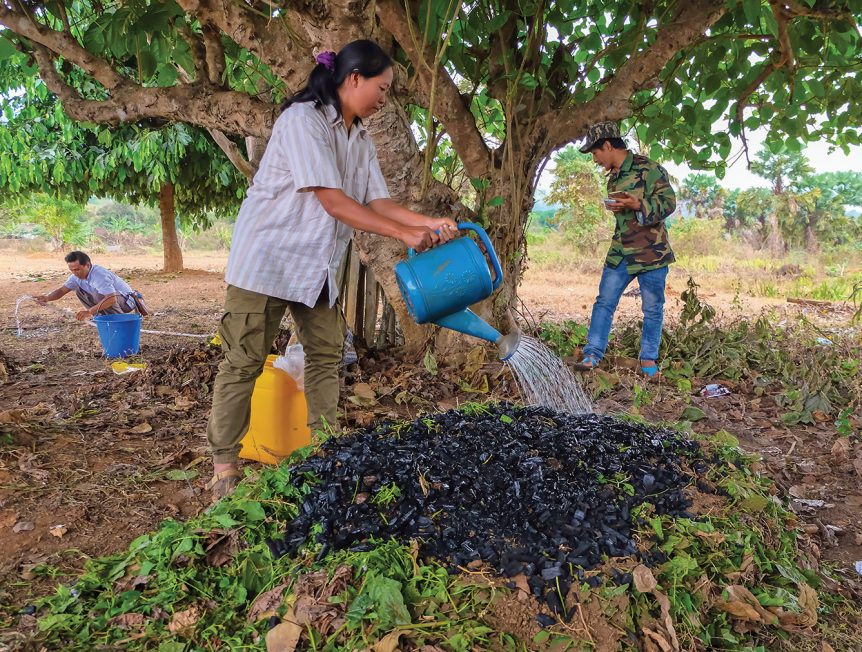
Study Suggests Livestock Manure Compost Can Help Remediate of Heavy Metal-Contaminated Soils

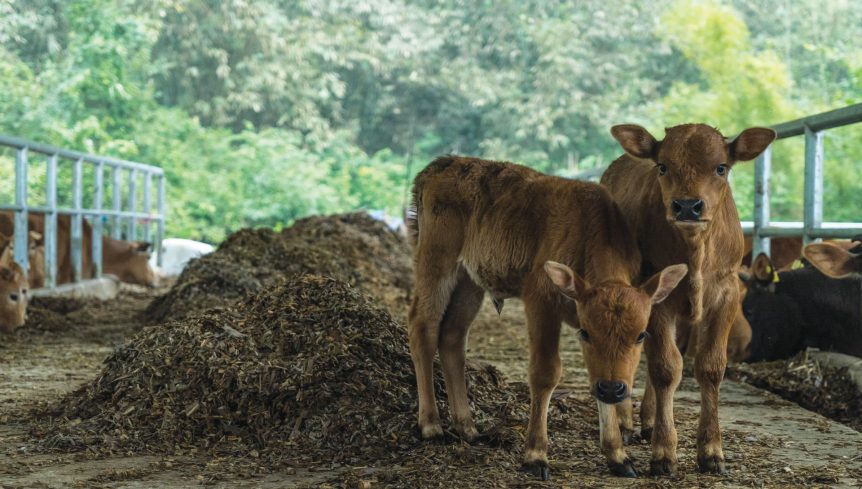
Soil contamination by heavy metals (HMs) is a growing environmental concern, particularly in areas affected by industrial activities such as mining and metallurgy. These pollutants persist in the environment, posing risks to agricultural productivity, soil health, and human safety. One promising method for mitigating heavy metal contamination is the use of organic amendments, such as livestock manure compost, to stabilize …

The Los Angeles/Palisades Wildfires: A Closer Look at the Causes and Contributing Factors

By Kathleen Marquardt The recent Los Angeles/Palisades wildfires have sparked a heated debate, with many attributing the devastation to various factors, including climate change, political mismanagement, and environmental policies. While these fires are undeniably tragic, understanding the complex array of contributing factors behind them requires examining everything from weather patterns to urban development and resource management. Climate vs. Weather: Understanding …

The Global Land Grab: What It Means for Agriculture, Energy, and Society

By Kathleen Marquardt In recent years, the topic of land acquisition by major corporations, foreign governments, and private equity firms has gained increasing attention. Companies like BlackRock, JP Morgan, Vanguard, and others have been purchasing vast tracts of farmland, forests, and single-family homes, raising concerns about the long-term impact on agriculture and local communities. Additionally, foreign powers like China are …

Soybean Solution Solves Sticky Situation

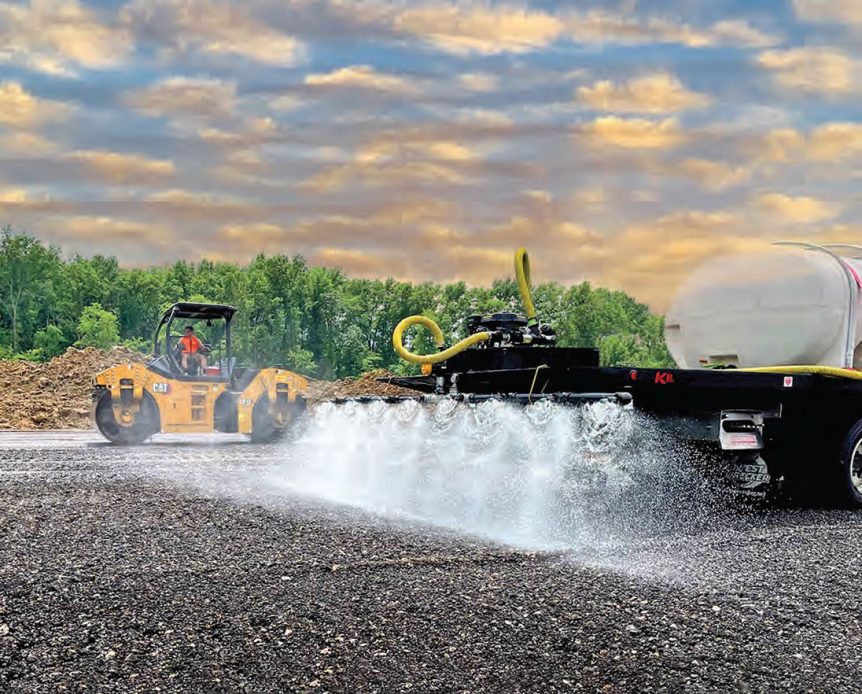
By P.J. Heller It wasn’t that long ago when Jim Weber looked out at a section of his Ohio Mulch property and watched as trucks would get stuck in thick mud.  Weber wanted to use part of a 10-acre plot for truck and equipment storage and to construct a warehouse building. The problem was the ground was too damp, soft …

Processed Pine Substrates in Nursery Production: Updates and Potentials

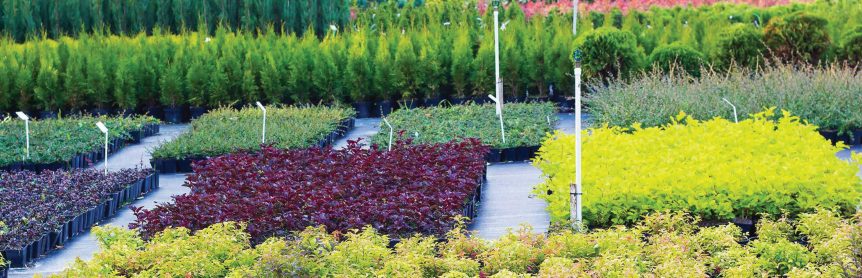
By Dr. Brian E. Jackson As all aspects of horticultural crop production continue to improve and evolve, research and development of soilless substrates is also keeping pace with our ever changing and demanding production practices. Processed pine and fir bark has been the primary substrate component for nursery growers across the country for several decades, a trend that holds true …

Grandpa Sol’s Legacy Carries On At Rexius

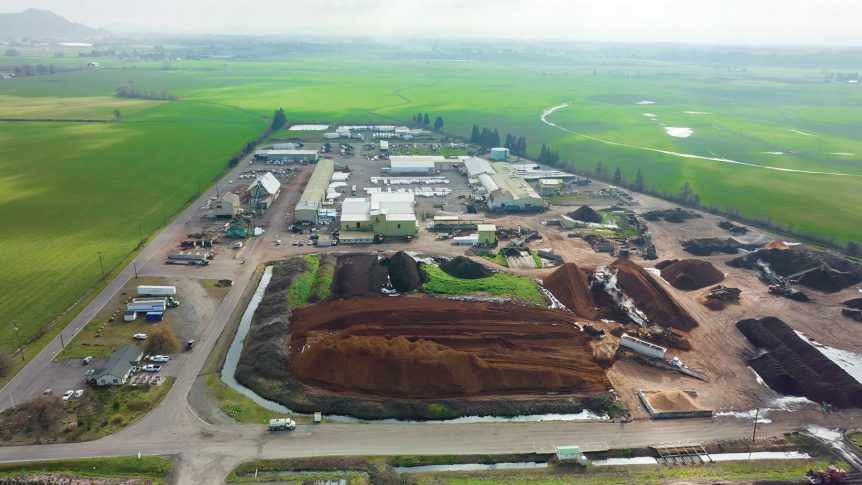
By P.J. Heller Nine decades after “Grandpa Sol” started his business by repurposing wood waste materials, his legacy lives on.  “We’re doing the same thing 90 years later that grandpa did in the ’30s,” says his grandson, Rusty Rexius.  Grandpa Sol’s business – Rexius Fuel Service – initially involved going to Oregon sawmills to collect sawdust, which would normally be …

Growers Facing Supply & Demand Challenges for Growing Media

By Dr. Brian E. Jackson Once upon a time growers could call their growing media supplier(s) and have product ordered, shipped, and delivered within days. It is no mystery to anyone today that “those days” are gone, at least for the foreseeable future. The global growing media industry, like so many others in horticulture, has experienced unprecedented product demand which …